What does SEER2 mean?
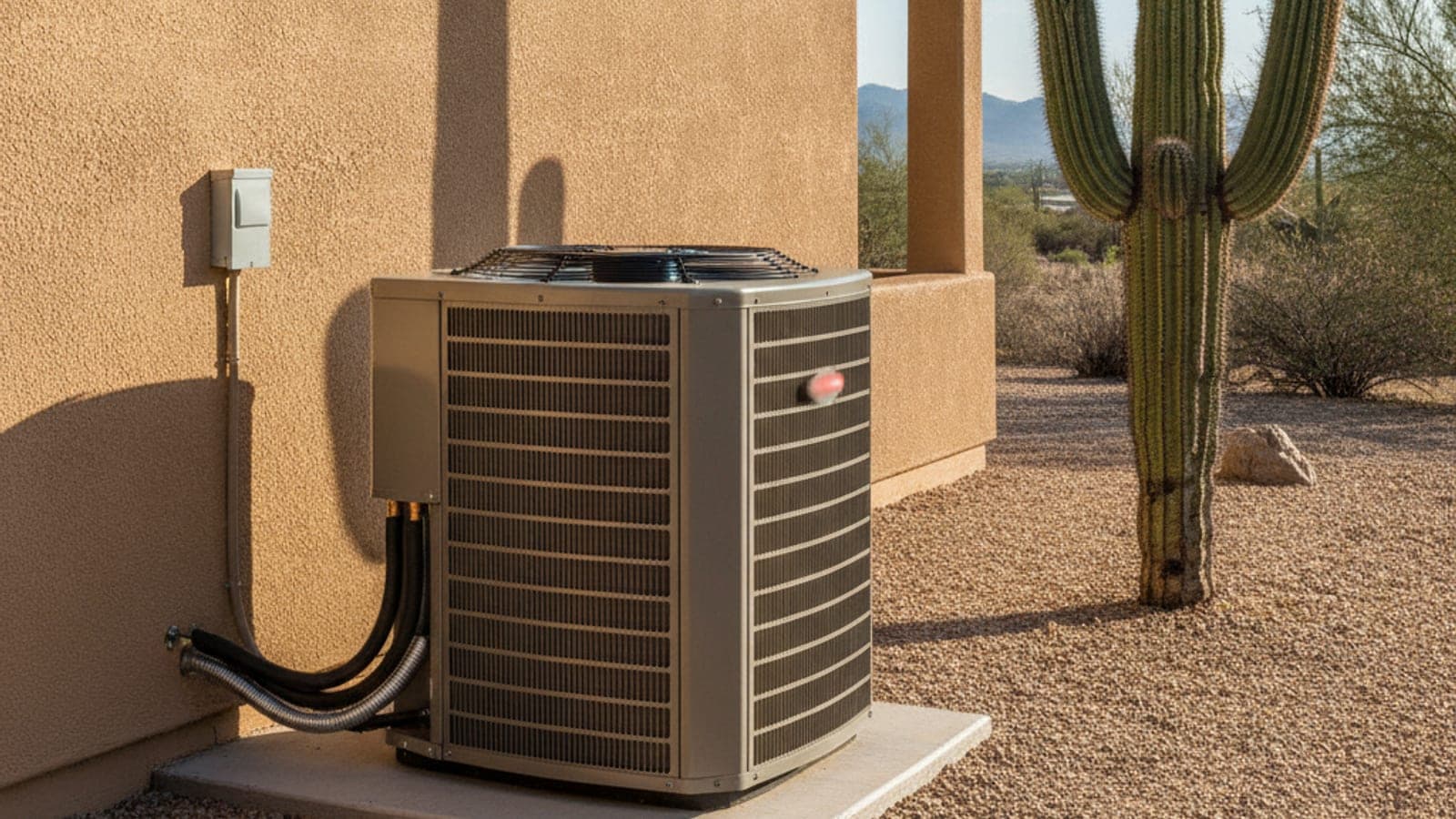
SEER2 is the seasonal cooling efficiency rating for a central AC or heat pump. It measures cooling delivered per unit of electricity, in Btu per watt-hour, using a standard test method and assumed operating conditions. The U.S. Department of Energy notes that real savings vary with how you use the system. Climate Pros Tucson matches you with licensed pros who can explain the ratings on a quote.
A higher SEER2 number means more cooling per watt-hour under those test conditions. It does not promise a specific bill.
What changed from SEER to SEER2?
In 2023 DOE updated its test procedures and regional minimums. The new ratings are SEER2, EER2 and HSPF2, and they come from a different test procedure, so a SEER2 number is not the same as an old SEER number. Don’t compare a new SEER2 figure with an old SEER figure from a sticker on a 15-year-old unit.
Where does Arizona fit?
Arizona sits in DOE’s Southwest region, which has its own regional minimums. The pro should confirm the current minimum that applies to your equipment. The Tucson tie-in is about how the system behaves in Tucson heat, not the legal floor.
Why does EER2 matter in Tucson?
SEER2 averages performance across a season of temperatures, mild days included. Tucson has about 68 days a year at or above 100F, and the City of Tucson’s design condition for summer is 105F. EER2 is a steady-state rating at a hot outdoor condition, so it says more about how the unit handles a hard afternoon. When you compare two units, ask for both numbers.
What about heat pumps?
For heat pumps, HSPF2 rates heating efficiency. ENERGY STAR certified air-source heat pumps start at SEER2 15.2 and HSPF2 7.8. That’s the ENERGY STAR level, not the legal minimum. A heat pump is a sensible default for a Tucson-basin home because heating demand is mild and the same unit does your cooling.
What can’t a higher rating fix?
- Oversized or undersized equipment, which is why the City requires load calculations.
- Leaky ducts. ENERGY STAR says a typical forced-air house can lose about 20% to 30% of the air moving through its ducts. That is a national typical-house statement, not a Tucson measurement.
- A dirty coil or clogged filter.
What should you ask?
- What are the SEER2 and EER2 of the exact outdoor and indoor pair?
- Does the quote name the model numbers?
- Is the rating for the matched system, not just the outdoor unit?
- Does the unit qualify for TEP’s Efficient Home program? Ask the contractor to confirm with TEP, since program rules change.
Related: what size AC do I need, heat pump vs AC, TEP heat pump rebates and energy efficient HVAC upgrades. Service pages: AC installation and heat pump service. Area overview: Tucson HVAC hub.
When the ratings don’t line up
When you’re comparing quotes and the ratings don’t line up, you need a licensed pro to explain the equipment. Call (520) 353-2520 and we’ll match you with a licensed local pro.