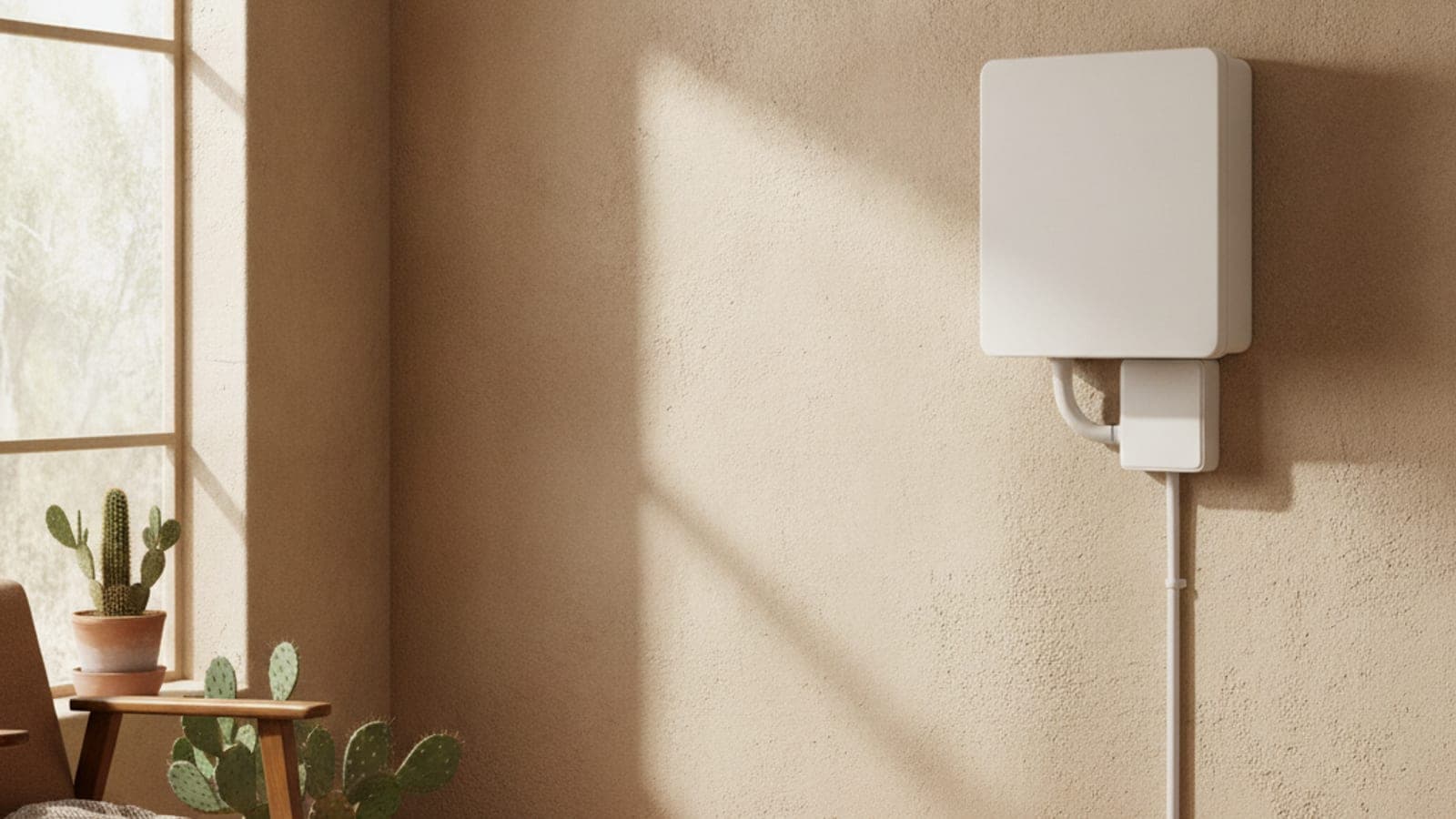
A Fujitsu head that runs but does not cool usually has a simple cause you can check from the floor: the wrong mode, a clogged filter, blocked airflow, or an outdoor unit that is not running. If those checks come up clean, a licensed pro should test the system. Climate Pros Tucson can match you with one who works on ductless equipment.
What should you check on the indoor head first?
Start with the remote or controller. Confirm the mode is Cool and not Dry, Fan or Heat, and that the setpoint is below the room temperature. A setpoint close to the room temperature won’t make the unit work hard.
Then look at the head itself.
- Photograph the display, including any blinking light or code, before you change anything.
- Open the front panel gently and check the filters. In Tucson, dust loads them fast, and a clogged filter chokes airflow.
- Make sure curtains, furniture or shelving are not blocking the outlet or the intake.
- Confirm the louvers move and that you feel air.
Don’t look up a blink code on a random chart. Fujitsu codes differ between models, so only the manual for your exact model is a reliable source. The model number is on the label inside the head.
Is the outdoor unit running?
Watch the outdoor unit from a safe spot. The fan should spin and the compressor should hum when the head is calling for cooling. If the indoor head blows air but the outdoor unit sits silent, the problem is not in the head.
In a Tucson summer, an outdoor unit can sit in full afternoon sun on a wall or pad. Check that nothing blocks airflow around it, such as stored boxes, leaves, or a plant that has grown in close. Keep your hands off the fins and the cabinet. If you rent or live in a managed property, ask the owner or manager before you go behind a gate or onto a roof.
Why can it run and still not cool?
The head can show a cooling command while the room stays warm, and from inside the room you cannot tell the cause. A dirty coil, low refrigerant or a failed part can all look the same. A heavily loaded room also matters: a head sized for a bedroom can fall behind in a west-facing room on a 100F day, and Tucson’s airport averages about 68 of those a year (1991-2020 normals).
Low refrigerant means a leak, which a top-off does not fix. See AC refrigerant leak signs. A head that drips water is a separate problem covered in mini split head dripping water.
What should you tell the pro?
Bring the model numbers for the indoor and outdoor units, the photo of the display, which rooms are affected, and when it started. Ask whether the contractor works on your exact Fujitsu model, what testing they propose before repairs, and for the diagnostic fee as a dollar figure. Each company sets its own prices and policies.
Every pro we send is licensed, and you can check any contractor at roc.az.gov. For manufacturer support or warranty questions, contact Fujitsu directly with the model details. See mini split repair in Tucson, our AC repair service and mini split installation. The Tucson HVAC hub lists the areas we cover.
When the head still blows warm
When the simple checks don’t bring the cooling back, call (520) 353-2520 and we’ll match you with a licensed local pro.