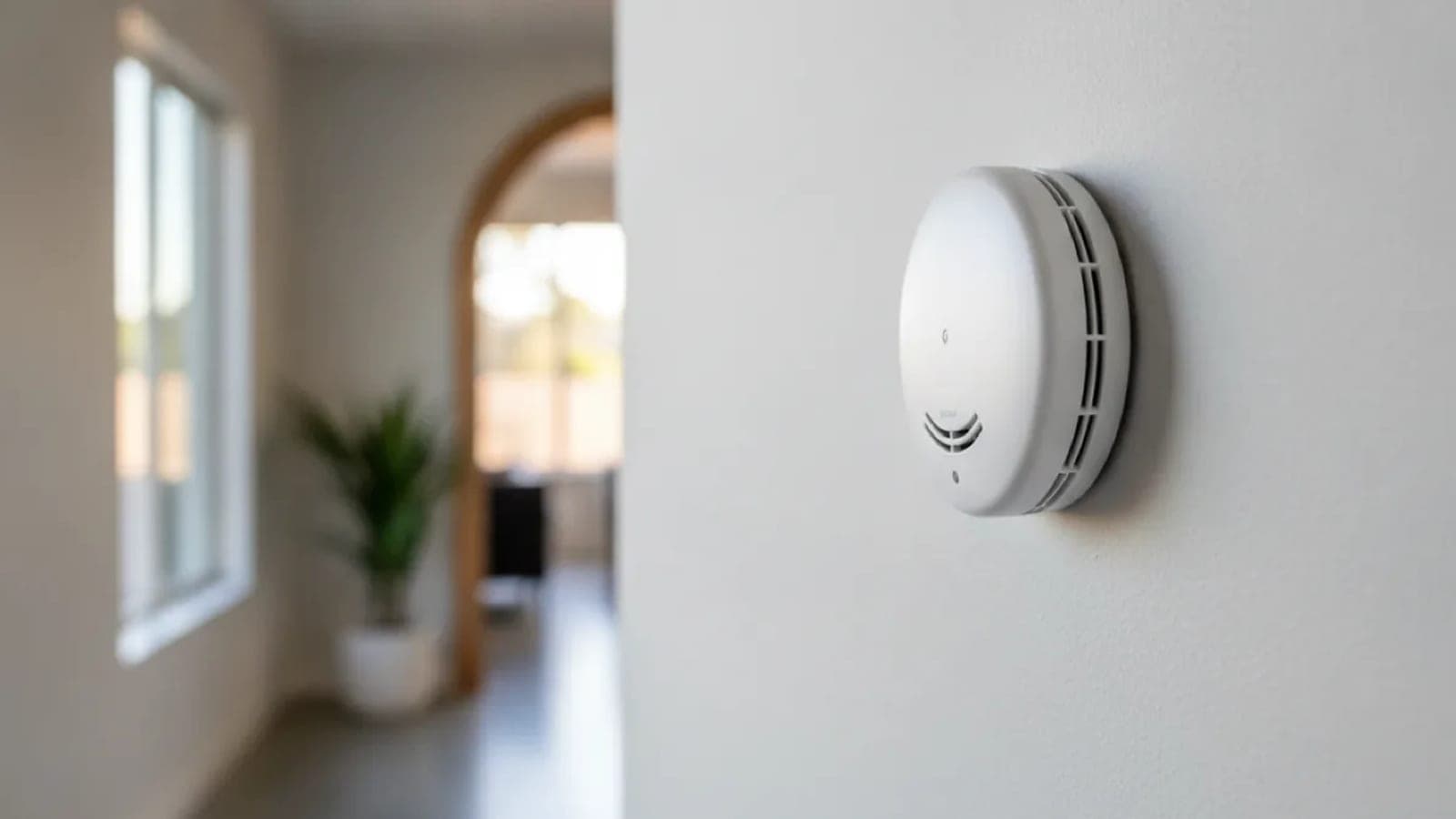
Carbon monoxide comes from burning fuel without enough air, and in a Tucson home the usual sources are a gas furnace, a rooftop gas package unit, a gas water heater and a gas stove. It has no smell and no color. If an alarm sounds or anyone feels sick, get everyone outside and call 911. Climate Pros Tucson matches you with a licensed pro for the fix afterward.
What should you do if the alarm goes off?
Go outside and call 911 from there. Don’t stop to open windows, find the cause or turn off appliances. Stay out until emergency responders say it is safe to go back in.
Headache, dizziness, nausea, confusion and feeling worse at home but better away from it are warning signs. Everyone in the house can be affected, including pets. Don’t rely on your nose, since carbon monoxide is odorless.
What causes carbon monoxide in a home?
Any appliance that burns gas, propane, oil or wood can make it when something goes wrong. The common causes are:
- A cracked heat exchanger in a gas furnace or rooftop gas unit.
- A blocked or disconnected flue or vent on a furnace or water heater.
- A dirty or poorly adjusted burner.
- A gas water heater with poor venting or too little air supply.
- Running a generator, grill or vehicle inside or close to the house or garage.
Southwest Gas supplies natural gas in the Tucson area, and TEP supplies most of the electricity. A heat pump or electric furnace doesn’t burn fuel at all, so it doesn’t make carbon monoxide. A home with no combustion appliances and no attached garage has far fewer sources. See heat pump vs gas furnace in Tucson.
Tucson averages fewer than 12 nights a year at or below freezing (1991-2020 normals at Tucson International Airport), so a gas furnace can sit unused for months, then run hard on the first cold night. That is a good moment to have it checked, ahead of the season. See the fall HVAC checklist for Tucson.
How do you protect your household?
Put carbon monoxide alarms on each level and near sleeping areas, test them on a schedule and replace them when the maker says to. Follow the instructions that came with your model, since placement and life span vary.
- Have gas appliances inspected by a licensed pro each year before they get heavy use.
- Never use a gas oven or stove to heat the house.
- Keep vents and flues clear of nests, debris and storage.
- Don’t run a generator or grill in or near the house or garage.
See signs your furnace is going out and winter HVAC checklist for Tucson.
When does it need a pro?
Any time an alarm sounds, a furnace is shut off for suspected carbon monoxide, or a flue looks damaged, a licensed pro should inspect before the appliance runs again. Don’t restart it yourself. Ask for the inspection findings in writing, and ask whether the heat exchanger and venting were checked. Check the contractor’s license at roc.az.gov.
See furnace repair, heat pump service and the Tucson HVAC hub.
When to call us
If the alarm has stopped and the all-clear has been given, call (520) 353-2520 and we’ll match you with a licensed local pro.