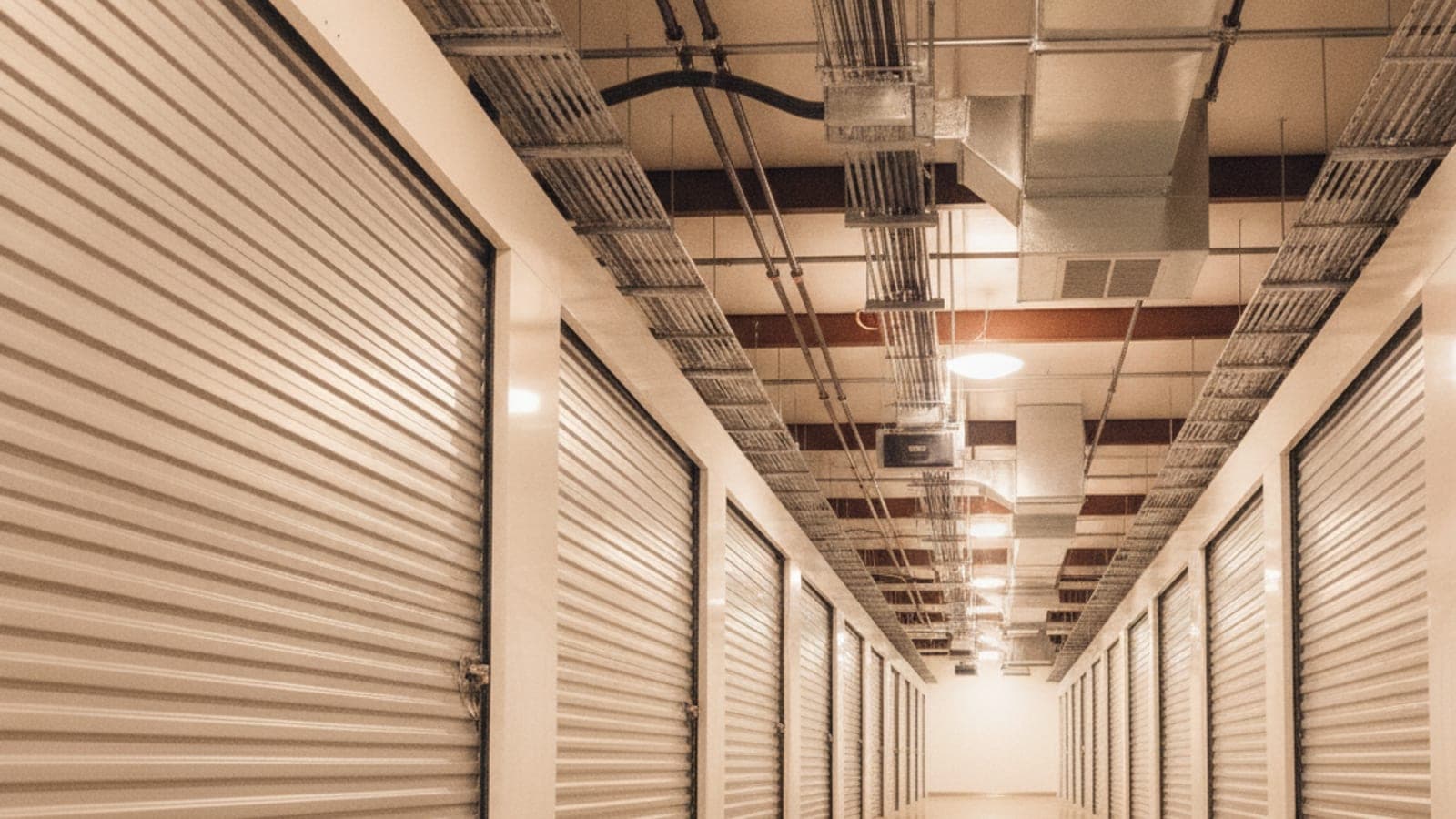
What does climate-controlled storage need from HVAC in Tucson?
It needs equipment sized for a building that stays closed, hot and mostly empty of people, with enough capacity for heat from the roof and walls and a plan for monsoon humidity. Tucson’s heat is the selling point for climate control, and it is also the main load the system must handle.
Climate Pros Tucson is a referral service. The licensed commercial pro you’re matched with designs and installs the system.
How hot does Tucson get, and why does it matter?
At Tucson International Airport, the 1991-2020 normals show about 68 days a year at or above 100F and about 158 days at or above 90F. The record is 117F, set June 26, 1990. A storage building with a dark roof and little insulation can run far hotter inside. The City of Tucson lists a summer design dry bulb of 105F, a starting point for the load calculation.
What affects sizing?
- Roof color, insulation and roof type
- Wall construction and the number of exterior doors
- How often roll-up and entry doors open
- Interior layout, since long corridors need airflow to reach the end
- Lighting and any equipment heat
A pro runs a load calculation, and the City of Tucson requires load and sizing calculations for new and replacement HVAC equipment. Ask to see it.
How does the monsoon change the plan?
The monsoon runs June 15 to September 30, and at the airport average dew points jump from the 20s into the high 50s in July and August. Stored goods can be sensitive to moisture. Ask the pro how the system handles dehumidification and whether a separate control is needed. The right humidity target depends on what’s stored, so set it with the pro.
Rooftop units, splits or ductless?
A building can use rooftop package units, and splits or ductless systems also fit smaller buildings or individual rooms. Ask about maintenance access, condenser dust loading and redundancy, so one failed unit doesn’t take down the whole building. See split vs rooftop package unit.
What about permits and maintenance?
The City of Tucson requires a permit for new and replacement air conditioners and heat pumps, and the contractor pulls it. A maintenance plan keeps coils and filters clean in a dusty climate. See HVAC maintenance plans.
Related: small business HVAC in Tucson, office building HVAC and retail HVAC. Services: commercial HVAC and HVAC maintenance. The Tucson HVAC hub lists coverage.
When to call us
Call (520) 353-2520 and we’ll match you with a licensed local pro. Tell the pro about the building size, the roof type and how long units sit closed in summer.